

This website uses cookies so that we can provide you with the best user experience possible. Cookie information is stored in your browser and performs functions such as recognising you when you return to our website and helping our team to understand which sections of the website you find most interesting and useful.
Dental implants in Birmingham
Get high-quality dental implants at our clinic in Great Barr, Birmingham. If you have loose or missing teeth, dental implants could be for you. Book a free assessment by calling us on 0121 357 5000.
Our implant dentists Dr Phil Tangri, Dr Dara Cotton, Dr Richard Ostins, Dr Nikki Gallagher, and Dr Adam Higgins have extensive expertise in helping people to regain their smiles.
We have placed thousands of dental implants in Birmingham since 1990, which is more than almost any other dental practice in the West Midlands.
Dental implant costs
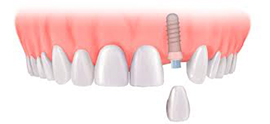 Single Tooth Replacement
Replace missing front teeth with implant and crown from £2,250 – £2,800 per tooth.
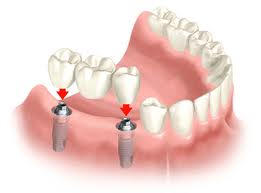 Multiple Tooth Replacement
Replace multiple teeth in a row with implant supported bridgework from £5,490 – £39,750
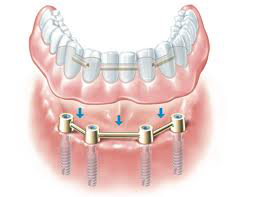 Denture Stabilisation
Stabilise your denture with dental implants from £4,500 – £13,500.
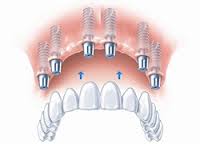 Full Mouth Reconstruction
Your full mouth can be restored using implants from £4,500 – £39,750 per arch.
Can’t afford to pay in one go?
Spread the cost of dental implants over up to two years. No interest, no hidden fees. Please contact us for details.
What are dental implants?
Dental implants are one of the best ways to replace single or multiple teeth.
Also known as screw-in teeth, dental implants replace missing teeth via the placement of a small titanium insert into the upper or lower jawbone, providing a foundation for crowns, bridges and dentures much like a natural tooth root would.
Dental implants look, feel and function like your natural teeth. They can be used to replace single teeth, several teeth or even a complete jaw. They’re also used to stabilise dentures from moving.
The benefits of dental implants over conventional methods of tooth replacement include the preservation of the gum and the supporting bone and helping to distribute force over your remaining teeth, lengthening their lifespan.
Scott Arms Dental Practice is dedicated to providing the highest quality dental implants in Birmingham and the West Midlands area – including Coventry, Wolverhampton, Shrewsbury, Solihull, Sutton Coldfield and Worcester.

Dental implants look, feel and function like your natural teeth. They can be used to replace single teeth, several teeth or even a complete jaw. They’re also used to stabilise dentures from moving. The benefits of dental implants over conventional methods of tooth replacement include the preservation of the gum and the supporting bone. They also help distribute force over your remaining teeth, lengthening their lifespan.
Scott Arms Dental Practice is dedicated to providing the highest quality dental implants in the Birmingham and West Midlands area – including Coventry, Wolverhampton, Shrewsbury, Solihull, Sutton Coldfield and Worcester.
How are implants placed?
The 5 stage process for tooth implant placement is outlined below.
- Free implant assessment: Come in for a friendly chat and examination with one of our implant dentists.
- Diagnosis with CT scan or X-ray: Here we plan for successful implant treatment by modelling with impressions, CT scanning, X-rays and other sources of information.
- Implant placement: The titanium implants are placed below the gum using a simple 5-minute technique, which is easy and comfortable.
- Implant stabilisation period: The teeth implants are left for 12-14 weeks to integrate with the bone (known as osseointegration) and become strong and stable.
- Placing new teeth: The final prosthetic teeth (crowns, bridges or dentures) are completed and placed onto the implants.
Read more about the implant procedure here.
Benefits of dental implants
Confidence
Improving your smile with dental implants gives you a new lease of life, improving social, romantic and professional relationships – no more covering your smile in selfies.
Function
Dental implants allow you to eat, speak and smile with ease (and confidence).
Health
Improving the function of the mouth allows you to enjoy and maintain a healthy diet.
Preservation
Filling in any gaps with dental implants helps preserve the health of the gum and surrounding teeth.
Why choose us for dental implants in Birmingham?
If you’re looking for a patient-centred dental practice, you’re in the right place.
Whether it’s through general dentistry or implant treatment, we have the skills and tools to completely transform your smile and increase confidence.
Dedicated to providing a welcoming environment for all of our patients, we take time to ensure you feel as comfortable as possible from the minute you walk through the door.
Book your free implant assessment!
Looking to improve your smile?
Book a free assessment by calling us on 0121 357 5000.
Testimonials
Very good experience, as usual, from this practice, have had dental implants in past from this dentist, which I am very pleased with, very strong implants, expensive, but well worth it, dentist's always pleasant and friendly, and put you at your ease, if you are nervous. Would recommend.
Feb 17, 2024
I. Travel travel from north Wales for my treatment. Arranging an appointment is quick and easy. Hardly any wait when l arrive. Grest service. Highly recommend anyone for dental implant treatment. Great service.
Feb 25, 2024
I chose to go to Scott Arms dental practice to have dental implants as they had been recommended to me by friends and my husband had also used them previously after being given negative information by his usual dentist about a tooth which ‘couldn’t possibly be saved’ and which he now still has thanks to Scott Arms dentist. I went with a few problems that needed attention before the implant work could begin and these were dealt with very satisfactorily and with little discomfort to myself. I had a few appointments and each time i visited I was pleasantly greeted by both the reception staff and my dentist. He always treated me with respect and tried to put me at ease as I am a bit nervous at my appointments. My dental implants are now fitted and I am very pleased with them and even though they were only fitted a few weeks ago, they feel just like my own teeth and obviously fill the gaps which I previously had. I would like to say a very big thank you to all the staff and to ‘Guv’ my dentist for his patience and hard work.
Feb 28, 2024
Dental Implant FAQs
How long does it take to get dental implants in Birmingham?
After your initial consultation with our dental implants in Birmingham specialists, and you’ve been deemed suitable for the procedure, it’s time to get ready for your new smile.
You’ll undergo a CT scan or X-ray so we can correctly model your implants. We’ll then secure the titanium implant, which will be left for 12-14 weeks to fully integrate with the bone.
The crown, bridge or denture will then be placed onto the implant.
How long do dental implants last?
Our services for dental implants in Birmingham are second to none and we expect implants to offer a permanent solution to safely replace missing teeth.
However, for a long-lasting look, an effective at-home routine is needed.
Just like with your natural teeth, the correct maintenance and regular visits to your dentist will prolong the life of the implant.
Can you get dental implants if you have gum disease?
While it may be tempting to cover up signs of gum disease with a quick fix, it’s advised you get any gum disease seen to first.
The dental implant has a better chance of securing to the bone if the tissue is healthy, and future problems are less likely to arise.
Meticulous oral hygiene is paramount when it comes to maintaining the health of your gums and therefore the lifespan of your dental implants.
Learn more about getting dental implants in Birmingham by contacting the team today.