
Alcohol Consumption and Dental Health
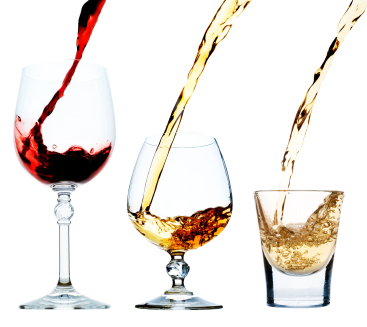
In England, drinking alcohol is a common social activity. With over 90% of the population drinking, and alcohol tolerance so high, it is difficult to take a step back and assess how much we are really drinking and whether or not it is having an effect on our health.
The Royal College of Physicians state that woman should not exceed 14 units of alcohol a week, and men should not exceed 21 units. For women, this equates to a bottle of wine and two pints of beer. It sounds like a lot, but it is estimated that 26% of adults in England drink in excess of these limits and 3.6% are alcohol dependent, costing society an incredible £20 billion a year from the knock-on effects of alcohol misuse. More frightening still is that alcohol is suggested as the cause, or secondary cause, of 45,000 deaths a year.
Most of us are aware of the problems that alcoholism can pose: liver diseases, high blood pressure and abnormal heart rhythms are just a few of these. It seems apparent that excessive alcohol consumption affects the entire body, and the mouth is no exception. Alcohol is known to correlate hugely with oral cancer, and possibly causes it by producing DNA-damaging breakdown products.
Dentists check routinely for oral cancer these days. What once was a speciality of the dental tissues alone has become a much broader profession. Because many people visit the dentist every 6-24 months, it makes it the perfect place to discover oral cancers that would otherwise go unnoticed. Though dentists themselves do not diagnose oral cancer, they are trained to search for the tissue abnormalities that could either be, or may become, cancerous, which they then refer for further investigation. Dentists are estimated to save two peoples’ lives during their career merely from early cancer diagnosis. Most people do not routinely inspect their own mouth and often would only notice cancers when they became large enough to be both protrusive and painful: unfortunately the chance of survival when detection is left this late is markedly decreased.
But alcohol has further effects on the mouth besides oral cancer: studies have shown that people who drink alcohol to excess are more likely to have decay, plaque and calculus (the calcified form of plaque – also known as tartar). Alcohol is known to dry out the mouth: the absence of saliva encourages bacterial growth and plaque accumulation, but this may not be the true cause of the correlation between alcohol consumption and dental health. It is entirely possible that people who regularly drink to excess do not take the care of themselves that their more sober counterparts do. Furthermore, people who drink more alcohol have been shown to attend the dentist and hygienist less regularly, despite being more likely to suffer from halitosis.
Another interesting point about alcohol is the frequency with which people associate it with smoking. There are many people who only smoke when they have been drinking – and smoking is particularly bad for gum health. Not only does the prevalence of gum disease increase in smokers, but also its response to treatment is often limited. Alcohol also increases the rate with which the lining cells of the mouth can absorb carcinogens from tobacco, so combining the two can be especially deadly.
While alcohol is certainly common, tolerated and even celebratory, the unpleasant effects it can have on the body when enjoyed too frequently can be antisocial, uncomfortable and life-threatening. Like everything in our lives these days, we are encouraged to strike a balance when it comes to alcohol; by all means enjoy the odd G&T in the sun, but every now and then do your mouth a favour and reach for something non-alcoholic, but equally appealing and indulgent, like a cloudy lemonade, a cordial or even a virgin alternative like a ‘mocktail’ and reap the healthy benefits.
Posted in: General Dentistry
Leave a Comment (0) ↓