
Severe pain following a tooth extraction
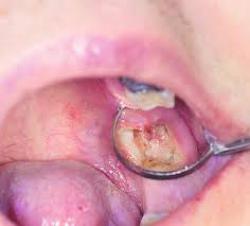
Dry socket occurs when the bone from an extraction site becomes exposed to the oral environment. In most extraction sites a blood clot forms and protects the socket and promotes healing; this blood clot can be lost or broken down, compromising the health of the underlying bone. It is a relatively common complication of tooth extraction, with an incidence rate of anywhere between 0.5-30% depending on the nature of the extraction: non-surgical extractions can cause dry socket in approximately 1% of cases, where surgical extractions have been quoted to cause dry socket in up to 30% of cases.
Risk factors for dry socket
While dry socket can occur in any extraction site, there are some situations where there is a greater risk. These include:
- Extraction sites near areas of infection
- Smoking
- Frequently rinsing the mouth or spitting after an extraction
- Playing with the extraction site
- Oral contraception
- Having a wisdom tooth removed
As instructed by your dentist, following a tooth extraction you should keep the area as undisturbed as possible. Ceasing smoking, alcohol and heavy exercise around the time of a dental extraction is recommended. Using mouthwash or spitting for 48 hours after the extraction is advised against, but gentle salt-water rinses from 24 hours can help keep the area clean.
Symptoms of dry socket
- Severe pain initiating 2-4 days after the extraction
- Pain radiating to the ear or temple
- A bad smell originating from the mouth
- A bad taste
- Visible bone in the extraction site
What to do if you think you have dry socket
If you suspect you are suffering from dry socket the most important thing to do is to make an emergency appointment with the dentist. The dentist will be able to clean the site and place a medicated dressing inside that can help ease the pain and promote healing. Other than taking analgesics, unfortunately there is very little else that can be done once dry socket has occurred and it can take between 10 and 40 days to fully heal. Regular trips to the dentist over that period for medicated dressing may be necessary and continued use of gentle warm salt rinses. Avoiding food that is likely to leave particles behind that can get caught in the extraction site is also a good idea.
If you suspect you have dry socket, contact Scott Arms Dental Practice now to arrange an appointment on 0121 357 5000
Posted in: Emergency Dentist, General Dentistry
Leave a Comment (0) ↓