
A Tax on Sugar and the Obesity Crisis
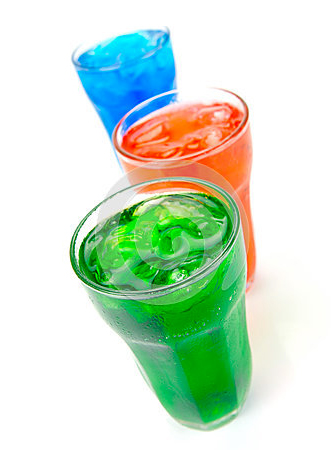
It has been long suggested that taxing the causes of conditions that strain the NHS is the way to a healthier, less economically costly future. There has been talk recently about the introduction of a “fat tax”, a tax we’ll shoulder for the unhealthy choices we make, which includes a 20% tax on sugary fizzy drinks. The tax could potentially raise £1 billion a year, which could benefit a Children’s Future Fund: this recently proposed fund would spend the money raised from a sugar duty on improving children’s health through providing healthy, free school meals with more fruit and vegetables. Furthermore, as consumption of sugar diminishes, the NHS would find itself under less strain as obesity levels fall: it has now been suggested that obesity is a bigger killer than smoking and increases the risk of heart disease, stroke and type II diabetes, all of which burden our National Health Service.
So why are fizzy drinks in particular under scrutiny when fast food chains and cheap junk food are available at every corner? The government describe it as a ‘starting point’, stating that taxing sugar-sweetened fizzy drinks is straightforward to apply. They argue that the results could be profound: if a person were to cut down by one can of fizzy drink a day, at approximately 140 calories a can, they could lose a pound a month. With some predictions stating that nearly half of the UK will be obese by 2030, it is a change that some of us can’t afford to ignore.
We in the West Midlands are particularly culpable: Birmingham has been vying for title of ‘Europe’s Fattest City’ for a number of years. In 2010 we were named and shamed as a city where a quarter of our 11-12 year olds were clinically obese.
Though the ‘fat tax’ aims to tackle our nation’s obesity crisis, pursuing the path of a tax on sugar has a dental benefit for all. Fizzy drinks have always been a concern in dentistry and these days children in particular are drinking them more and more. Non-diet soft drinks are often drunk between meals and consequently wash our teeth in sugar when our saliva is too inactive to defend them. This constant bathing in sugar lowers the average pH of the mouth and increases the chance of dental decay. Furthermore, fizzy drinks of all kinds contain acid – often citric and phosphoric – which softens the surface of teeth, leaving them vulnerable to both dental decay and tooth erosion.
Despite the benefits – reduced tooth decay and erosion, a drop in obesity levels and, consequently, heart disease and diabetes, the raising of money for child health schemes – the proposal has been met with disdain from those who fear the rise of a ‘nanny nation’ that punishes us for our poor health choices. But regardless of one’s stance on the tax, something needs to be done to halt the epidemic that has befallen us. Without establishing a plan of action, we risk not only our waistlines but also our NHS wards bulging at the seams.
Posted in: General Dentistry
Leave a Comment (0) ↓